
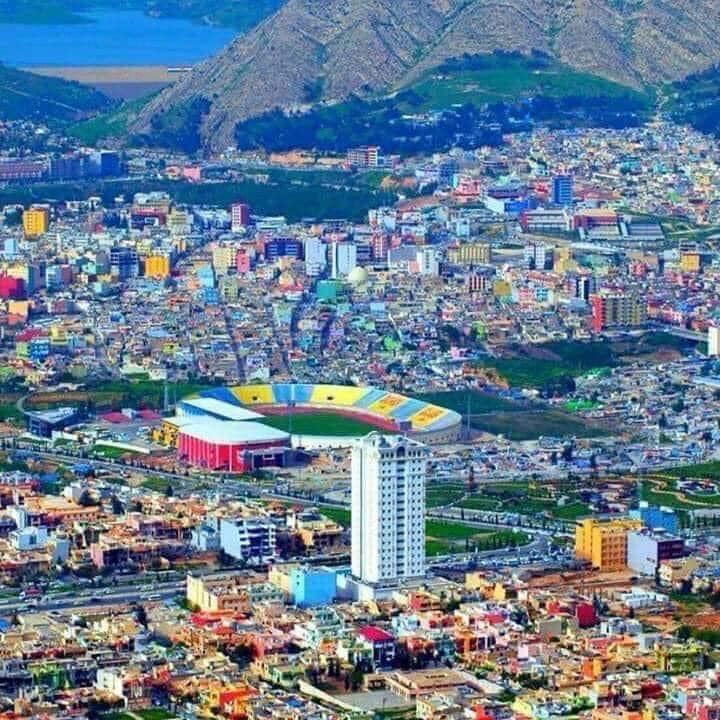
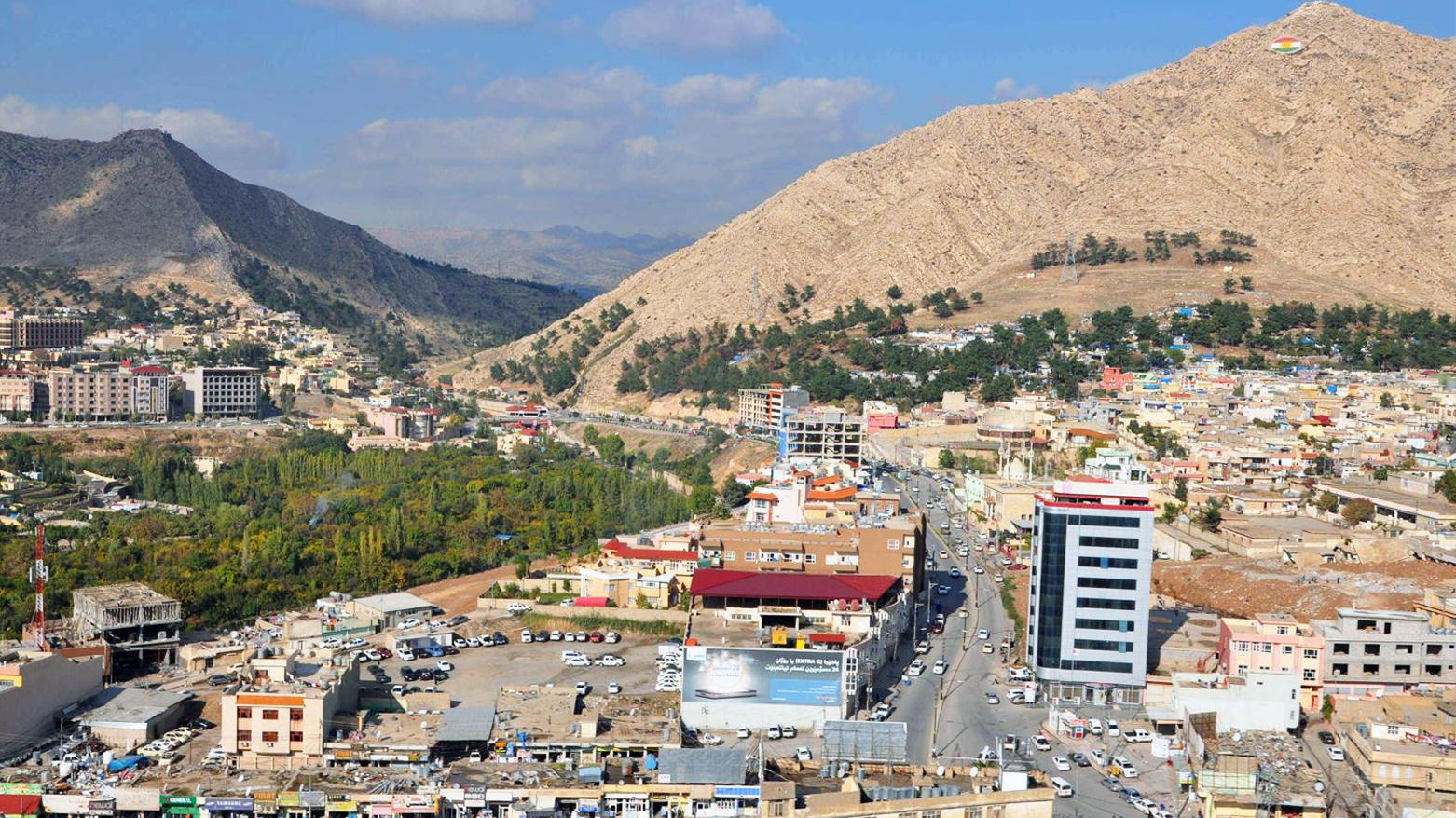
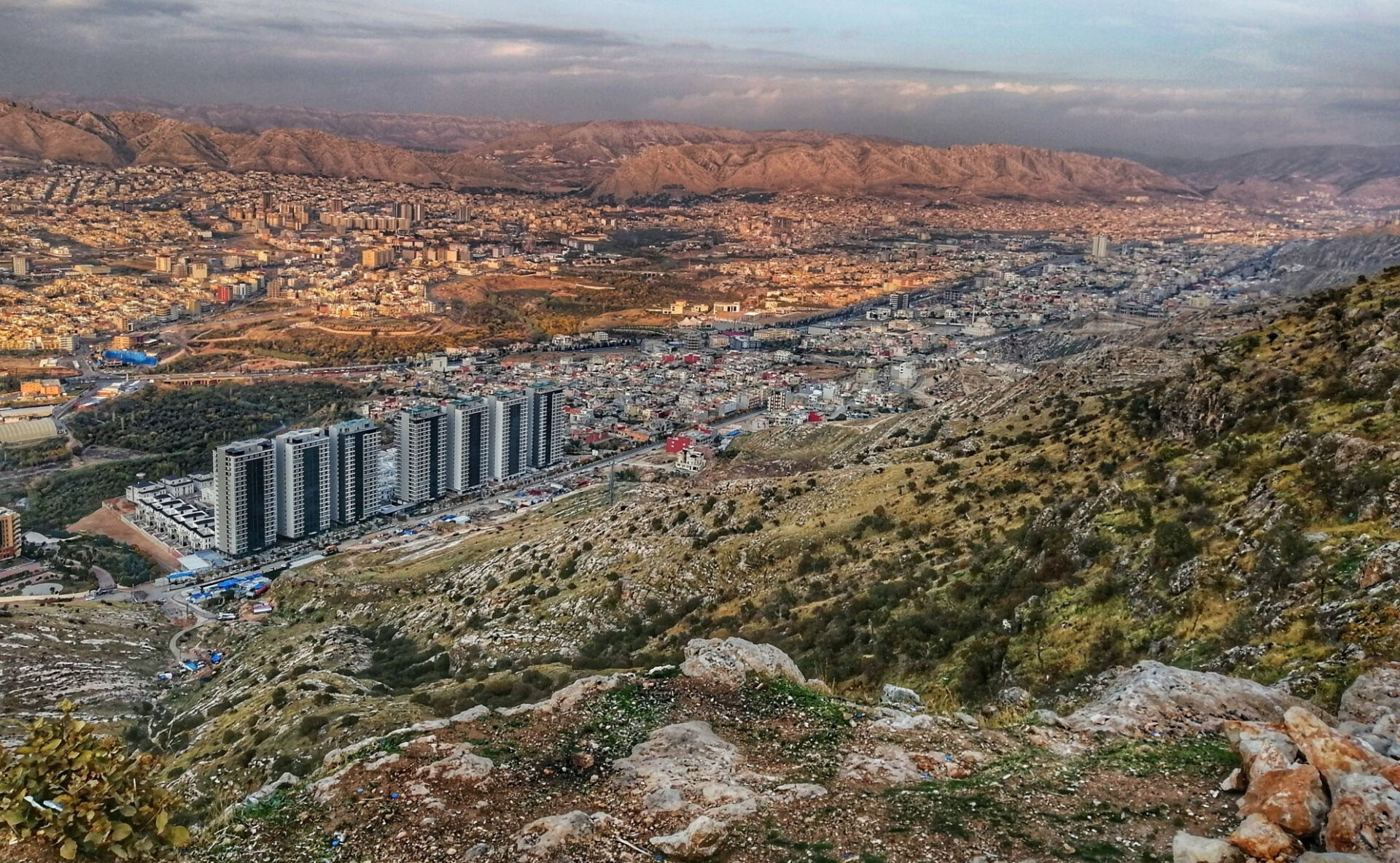
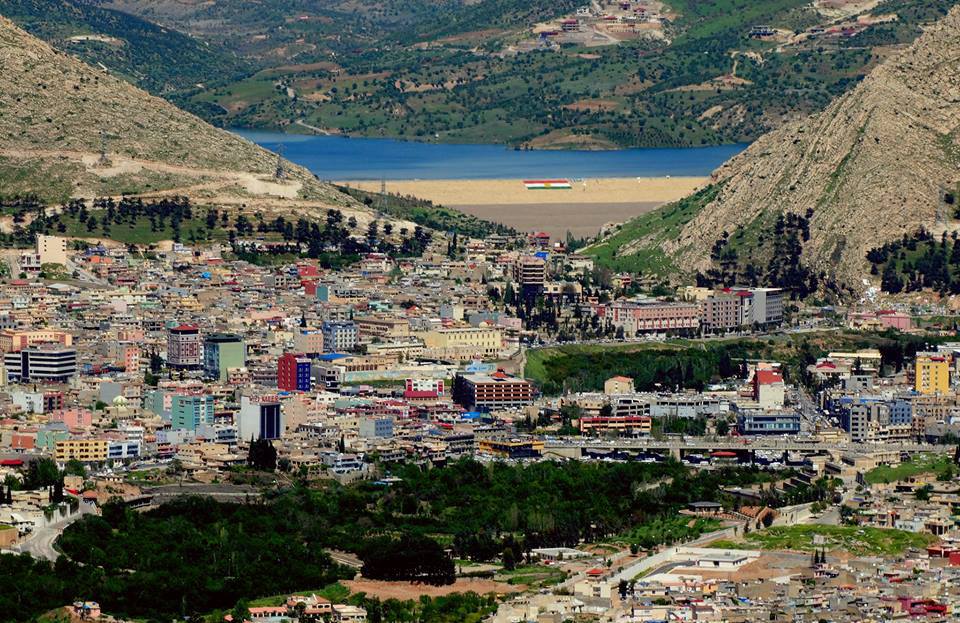
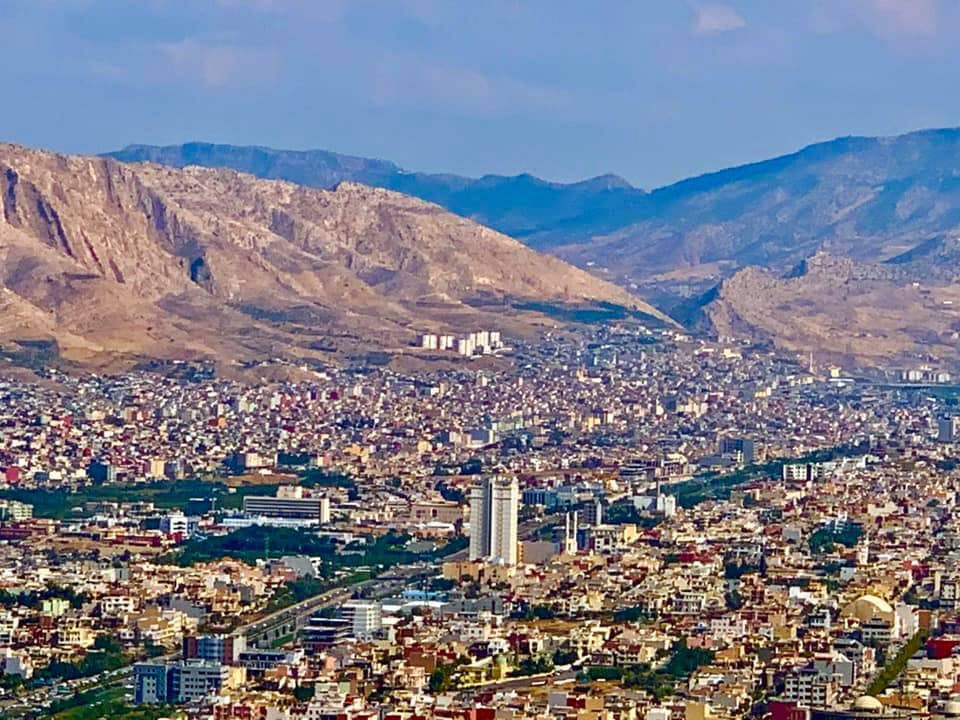
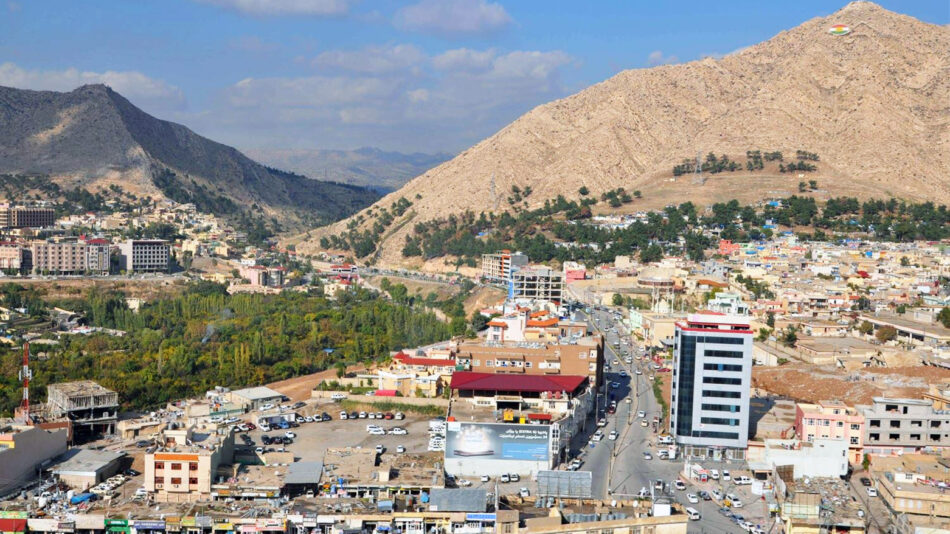
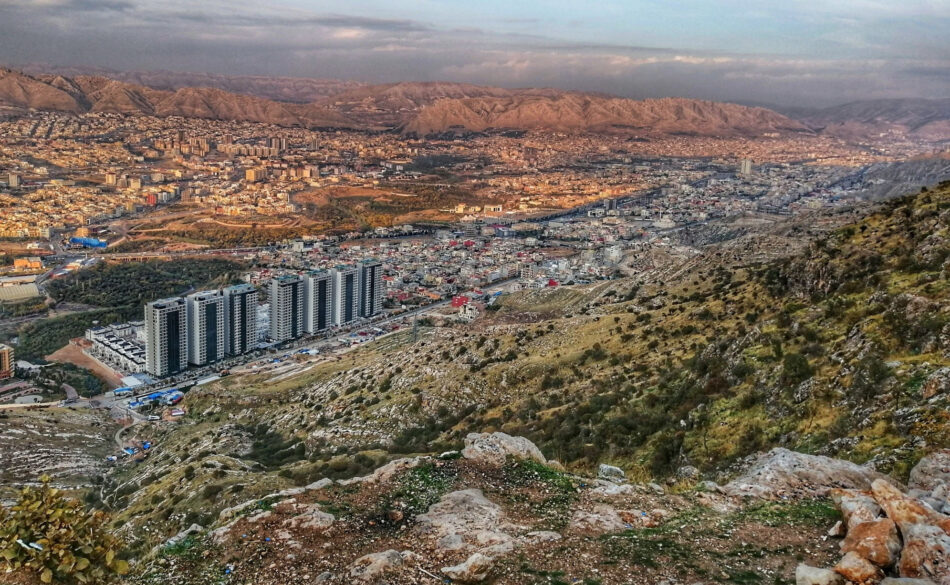
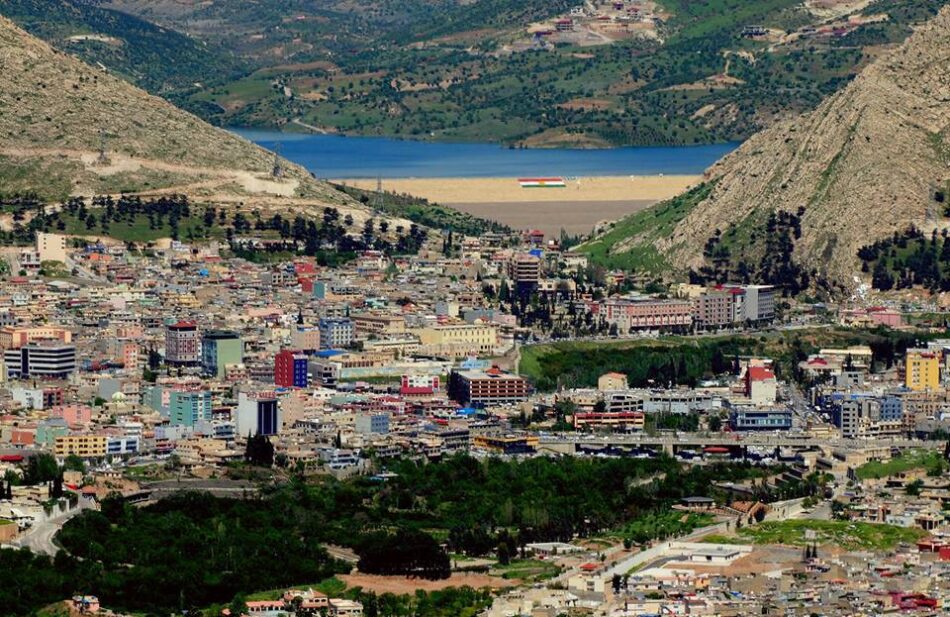
An Iraqi governorate, and one of three governorates that make up the autonomous and local-administration Kurdistan Region of Iraq. The city of Dohuk is the center of the northern governorate of great commercial and economic importance, and a number of districts and sub-districts are affiliated with it.
Location
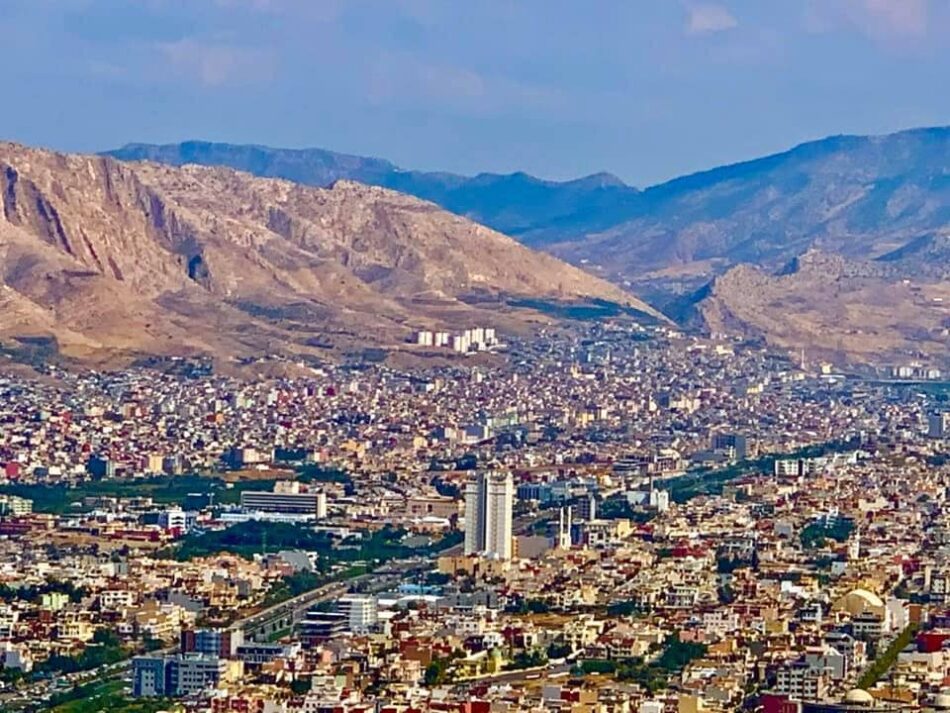
Dohuk Governorate is located in northwestern Iraq, and is linked by borders with Turkey, which gives it strategic importance. Its terrain is also characterized by ruggedness and mountainous heights.
Population
The population of Dohuk Governorate is estimated at about one million and two hundred thousand, according to 2014 statistics, the majority of whom are Muslims, and the governorate is inhabited by multiple nationalities, including Kurds, Arabs and Turkmen.
Official figures and data indicate that the population of the governorate is growing rapidly due to the migration of Kurds from other parts of Iraq, in addition to Iraqi Arabs who are looking for security and better job opportunities.
Economy
Dohuk Governorate has great strategic importance for Iraq and the Kurdistan Region, as it represents a border crossing via the Khabur crossing with Turkey, which has given it great economic importance.
A large percentage of Turkey’s exports to Iraq and to areas in the Middle East go through this border gate, and hundreds of trucks cross it daily in both directions, which gives the province increasing commercial and economic importance.
In addition to its economic importance, the province is also an attractive local tourist destination due to its moderate climate, mountainous heights, and diverse terrain.
The province is also famous for hosting many archaeological sites that tourists and those interested in antiquities flock to, such as the Jar Sittin Cave located in a mountain in the Dohuk Dam area, and some estimates indicate that there are more than 150 historical archaeological sites in it.
As a result of the security, stability, and prosperity that the province is experiencing, it has – along with the rest of the regions of Iraqi Kurdistan – provided shelter and refuge for hundreds of thousands of refugees and displaced persons since the collapse of the situation in Syria and nearby Iraqi cities, especially after the Islamic State organization took control of Mosul and its surroundings.
Over time, Dohuk has become home to more than 27 camps, and the influx increased during the control of the Islamic State over Mount Sinjar, which was inhabited by a minority of Yazidis.
According to a statement by the Director General of Humanitarian Affairs, Idris Nabi Saleh, in Dohuk, more than 715,000 displaced persons and refugees live there, whether in camps or in houses rented inside the city. They are of different nationalities and religions, including Arabs, Christians, and Yazidis.
The Kurds had signed an agreement with the Iraqi government in 1979, according to which they obtained self-rule, and the region was called the Autonomous Region, and it remained known by this name until it took its official name in 2005 and had a flag, constitution, anthem, government, and parliament.
Since 1975, effective control over a large part of the Kurdish region has been in the hands of Baghdad, whose army units were stationed in the major Kurdish cities.
However, following the Second Gulf War in 1991 and the establishment of the no-fly zone, Baghdad no longer had any significant influence over the Kurdish autonomous region, and the Kurds’ participation in the US-British invasion of Iraq in 2003 led to their consolidation of their control over their region and their expansion of its territory.
Antiquities
The governorate includes a large number of landmarks and antiquities, especially Assyrian antiquities, including the Maalthaya archaeological sculptures discovered in 1845, and the antiquities left by the Assyrian King Sennacherib, including a crossing linking Dohuk and Nineveh and the Sennacherib Canal, a project to irrigate agricultural lands in Nineveh by transporting water from the Khans area to Nineveh lands.
Another of these antiquities is the Qubhan School located in the Amadiya district, 70 km from the city of Dohuk, the capital of Dohuk Governorate in Iraqi Kurdistan. Historians say that this school was once a destination for students in the region, and played a major role in spreading science and knowledge, as it was like a university that students from Turkey, Iran and Iraq would go to. The sultans who ruled the historic Emirate of Badinan paid special attention to it, and it is said that at one time it was comparable to Al-Azhar University.

 EN
EN  AR
AR